Mold on the ceiling, behind the baseboards, or under the sink? Or a musty smell that keeps coming back? Call or send a few details, and a local mold remediation pro will get back to you about finding where it’s coming from and getting rid of it.
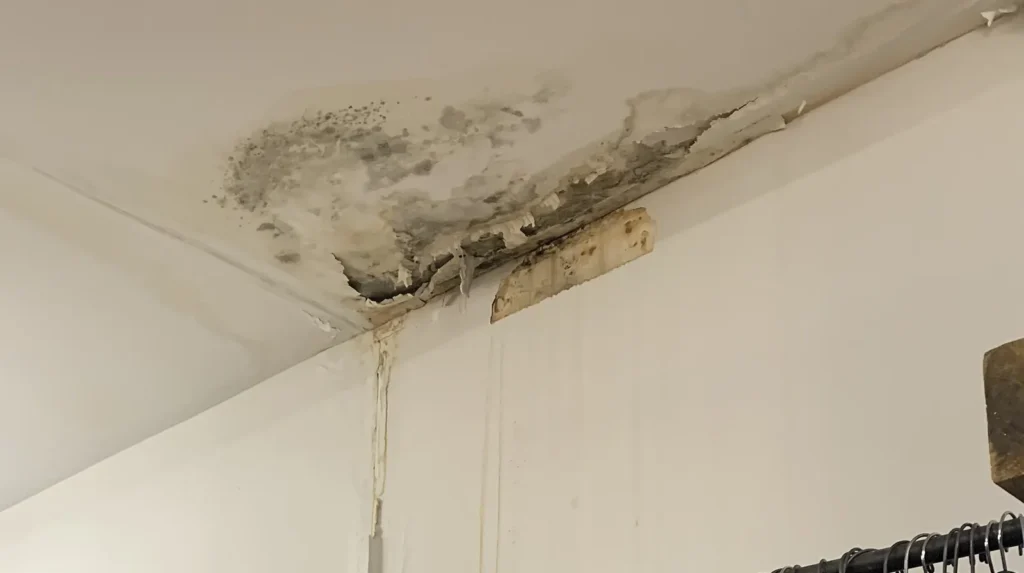
Mold means there’s water
Mold doesn’t show up on its own. It grows where something stays damp: a slow leak under a sink, an AC drain line, a roof leak, or a spot that never dried out after a bigger leak. Scrubbing the mold you can see won’t fix it if the moisture is still there, and it’ll be back. The EPA’s advice is to fix the water problem first and to dry water-damaged areas within 24 to 48 hours to keep mold from starting.
What remediation involves
A proper job finds the moisture source and gets it fixed, then sets up containment so spores don’t spread to the rest of the house while moldy material is removed. Drywall, insulation, and carpet that have mold in them usually get cut out and thrown away. Hard surfaces are cleaned, the area is dried and checked, and then the walls go back.
Can you clean it yourself?
For a small patch, often yes. The EPA says most people can handle an area smaller than about 10 square feet, roughly 3 feet by 3 feet. Wear gloves and a mask, and fix the moisture problem too. If it’s bigger than that, keeps coming back, or came from sewage or floodwater, get a professional.
Texas licenses mold work
In Texas, mold remediation is licensed by the Texas Department of Licensing and Regulation (TDLR). Their rules draw the line at 25 contiguous square feet: an area smaller than that can be cleaned by the owner. For a bigger job, whoever you hire needs a TDLR mold remediation license, and only a licensed remediator can give you a Certificate of Mold Damage Remediation when the work is done. Keep it with your house records.
Testing is licensed separately, by mold assessors, and Texas doesn’t allow the same company to do both the assessment and the removal on the same project. Before you hire anyone, look them up on TDLR’s license search. The full rules are in TDLR’s mold FAQ.
Will insurance pay for it?
According to the Texas Department of Insurance, mold from a covered leak, like a burst pipe, may be covered, but mold from a slow leak or a flood usually isn’t, and most policies don’t include mold cleanup and testing unless you added that coverage. See the insurance guide.
We cover north Fort Worth, Keller, Southlake, Colleyville, North Richland Hills, Roanoke, and the towns around them.
Found mold? Call or send the details.